

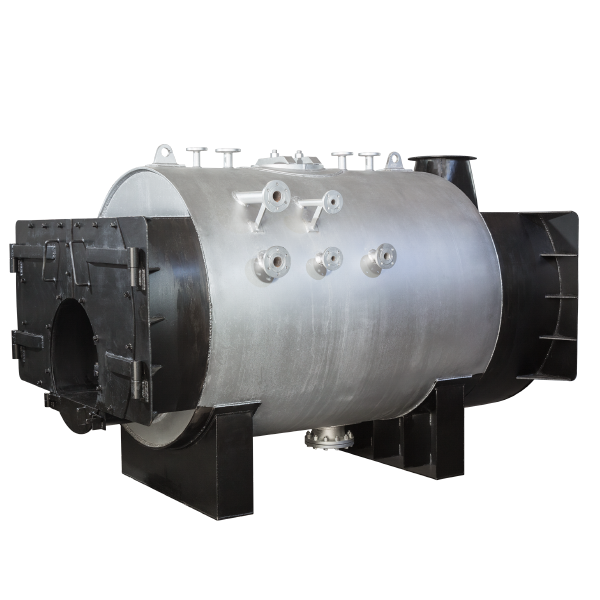
Babby Boiler
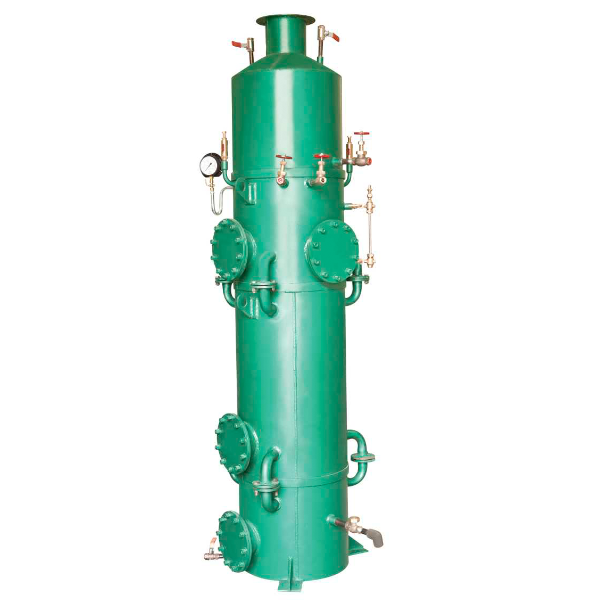
Boiler: Function, Types, Working, and Industrial Applications
A boiler is a vital component in various industrial processes, designed to generate steam or hot water for heating, power generation, or process use. By converting water into steam using heat energy, boilers serve as the backbone of operations in sectors such as oil milling, food processing, chemical manufacturing, textiles, and power plants. The steam produced is used to power turbines, heat systems, or assist in processes like cooking, drying, cleaning, and sterilization.
What is a Boiler?
A boiler is a closed vessel that heats water or another fluid under pressure to create steam or hot water. The energy source used to heat the fluid can be natural gas, coal, diesel, biomass, electricity, or even waste heat from industrial processes. Boilers can be categorized based on their construction, pressure handling, fuel source, and usage.
Working Principle of a Boiler
The basic working principle of a boiler involves the application of heat to water until it becomes steam. This steam is then used in various industrial applications. The heat is typically generated by burning fuel inside a combustion chamber, which transfers heat to water either through direct contact or via heat exchangers.
The process generally includes:
- Filling the boiler with water (feed water).
- Fuel combustion in the furnace or burner area.
- Heat transfer to water via tubes or coils.
- Generation and accumulation of steam in the steam drum.
- Steam delivery to process areas through a piping network.
Types of Boilers
Boilers can be classified in several ways, depending on their design and usage:
1. Fire Tube Boiler
In this type, hot gases from fuel combustion pass through tubes, which are surrounded by water. The heat from the gases is transferred to the water, producing steam. Fire tube boilers are ideal for low-pressure applications and smaller industries. They are simple to operate, cost-effective, and suitable for intermittent steam demands.
2. Water Tube Boiler
In contrast to fire tube boilers, water flows through tubes surrounded by hot combustion gases. These are high-pressure boilers and are widely used in large-scale industries and power plants. Water tube boilers offer greater efficiency, faster steam generation, and can handle higher steam loads.
3. Electric Boiler
Electric boilers use electricity to heat water and produce steam. They are used in facilities with limited space or where emissions need to be minimized. These are quieter, more compact, and cleaner than fuel-based boilers but often have higher operational costs.
4. Steam Boiler vs. Hot Water Boiler
While steam boilers produce steam for heating or industrial use, hot water boilers are used primarily for space heating in residential and commercial applications. The choice depends on process requirements.
Boiler Components
A standard industrial boiler consists of several critical components:
- Burner: The component where fuel and air are mixed and combusted to generate heat.
- Combustion Chamber: The area where the fuel is burned to produce heat.
- Heat Exchanger: Transfers heat from the combustion gases to water.
- Steam Drum: Collects and stores generated steam for distribution.
- Feed Water System: Supplies water to the boiler and includes pumps and tanks.
- Control Systems: Automated panels and sensors that manage pressure, temperature, and safety.
- Flue Stack: Exhausts the combustion gases safely to the atmosphere.
Fuel Sources for Boilers
Boilers can operate using a wide variety of fuel sources:
- Natural gas
- Diesel
- Coal
- Biomass (rice husk, wood chips, bagasse)
- Electricity
- Waste heat (from other industrial processes)
Applications of Boilers in Industry
Boilers are indispensable across a wide spectrum of industrial sectors:
- Oil Mills: Generate steam for seed cooking, refining, sterilization, and cleaning processes.
- Textile Industry: Used for dyeing, drying, and fabric treatment.
- Food Processing: Steam is used for pasteurization, cooking, sterilizing, and packaging.
- Power Plants: Drive steam turbines for electricity generation.
- Chemical Plants: Process heating, distillation, and reaction control.
- Pharmaceuticals: Sterilization, formulation, and cleanroom humidity control.
Advantages of Using Boilers
- High Efficiency: Modern boilers are designed to provide maximum thermal efficiency, reducing fuel consumption and costs.
- Process Reliability: Consistent and reliable steam or hot water supply ensures uninterrupted production.
- Automation: Advanced control systems ensure safety, reduce manual intervention, and improve performance tracking.
- Scalability: Boilers are available in a wide range of capacities to suit small, medium, and large-scale operations.
- Fuel Flexibility: Can run on multiple fuel types including renewables like biomass.
Safety Measures in Boiler Operation
Boilers operate under high pressure and temperature, making safety a top priority. Common safety mechanisms include:
- Pressure relief valves
- Water level indicators and alarms
- Automatic shut-off systems
- Flame sensors
- Regular maintenance and inspections
Following standard operating procedures (SOPs) and regular safety audits are essential to prevent accidents and prolong the lifespan of the equipment.
Boiler Maintenance and Efficiency Tips
To ensure long-term performance and safety, routine maintenance is essential:
- Clean tubes and burners regularly to remove soot and carbon deposits.
- Check insulation to prevent heat loss.
- Inspect safety valves and sensors periodically.
- Ensure proper water treatment to avoid scaling and corrosion.
- Monitor fuel efficiency using digital controls and sensors.
Conclusion
A boiler is an indispensable piece of industrial equipment, providing heat and steam for a wide range of applications. From powering turbines to sterilizing products in oil mills, its role in modern industry is both fundamental and far-reaching. With advances in automation, fuel efficiency, and safety systems, today’s boilers are more reliable and cost-effective than ever before. Choosing the right boiler type and maintaining it properly ensures smooth operations, energy savings, and compliance with environmental standards.


