


Solvent Extraction Plant
Our Solvent Extraction Plant is a cornerstone of industrial processing, dedicated to the efficient and environmentally responsible extraction of oils from a variety of oil-bearing materials such as soybeans, sunflower seeds, rapeseeds, cottonseeds, and other agricultural commodities. By using advanced solvent-based technology, we ensure the highest yield and purity from raw materials, meeting both domestic and global demands across multiple industries, including food production, pharmaceuticals, cosmetics, and biofuels.
The core function of our solvent extraction plant is to extract residual oil from oil cakes and oilseeds through the use of chemical solvents—most commonly hexane. This method is highly efficient and is preferred over traditional mechanical pressing methods when the goal is to recover the maximum quantity of oil. Our plant is designed with high-capacity machinery, sophisticated control systems, and a highly skilled workforce to maintain productivity and consistency in quality.
How the Solvent Extraction Process Works
The working of our solvent extraction plant involves a series of well-coordinated steps that ensure both effectiveness and environmental safety. The process starts with the preparation of the oil-bearing material and continues through to the recovery and refining of the extracted oil. Here is a step-by-step breakdown of how our system works:
1. Material Preparation
Before the solvent extraction process begins, oilseeds or cakes are properly cleaned, dehulled, and flaked to ensure optimal solvent penetration. This preparation stage is crucial, as it significantly influences the efficiency of the extraction process. Our plant is equipped with modern cleaning and flaking machines that ensure uniform size reduction and moisture content regulation for better oil recovery.
2. Extraction
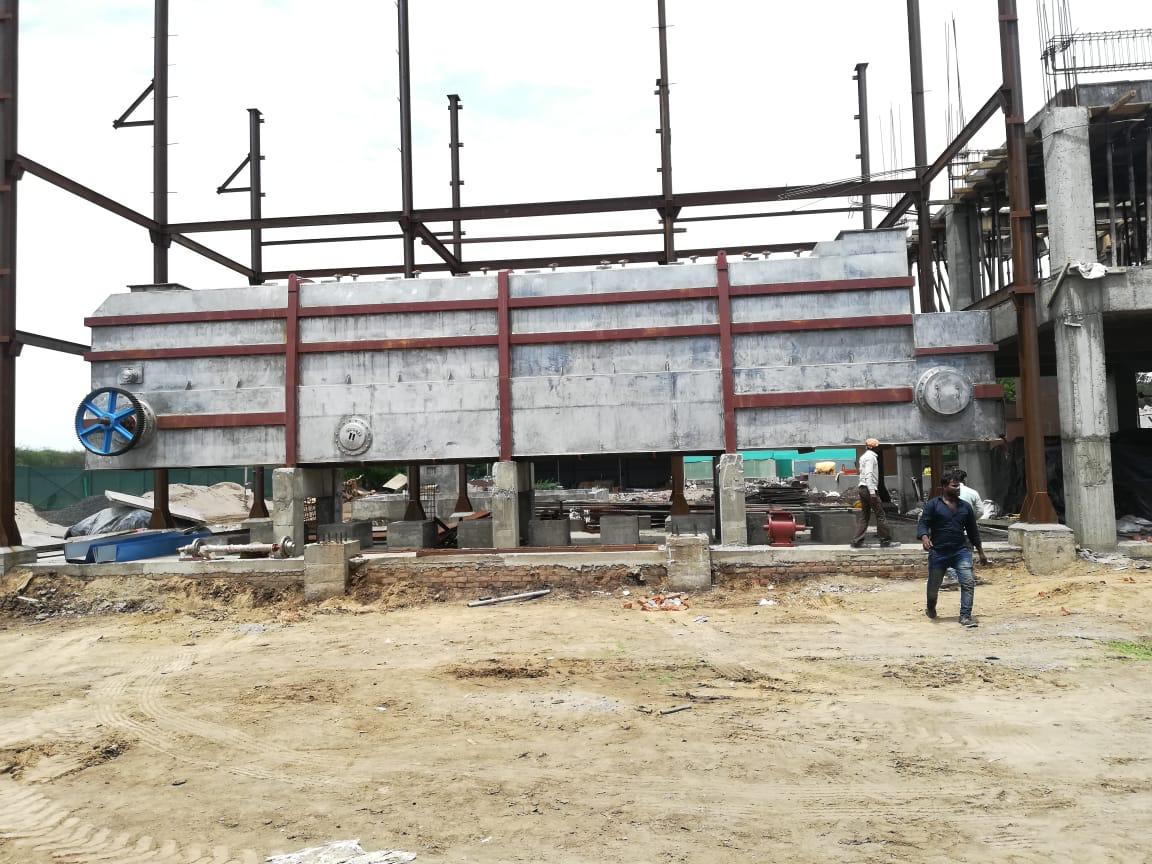
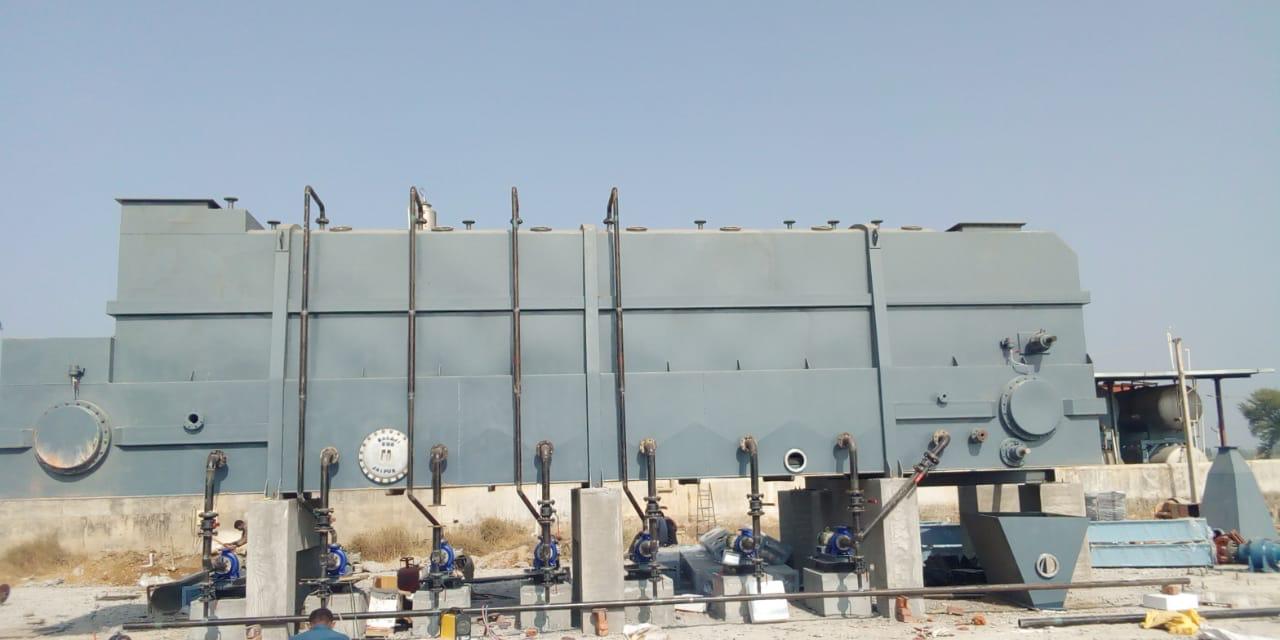
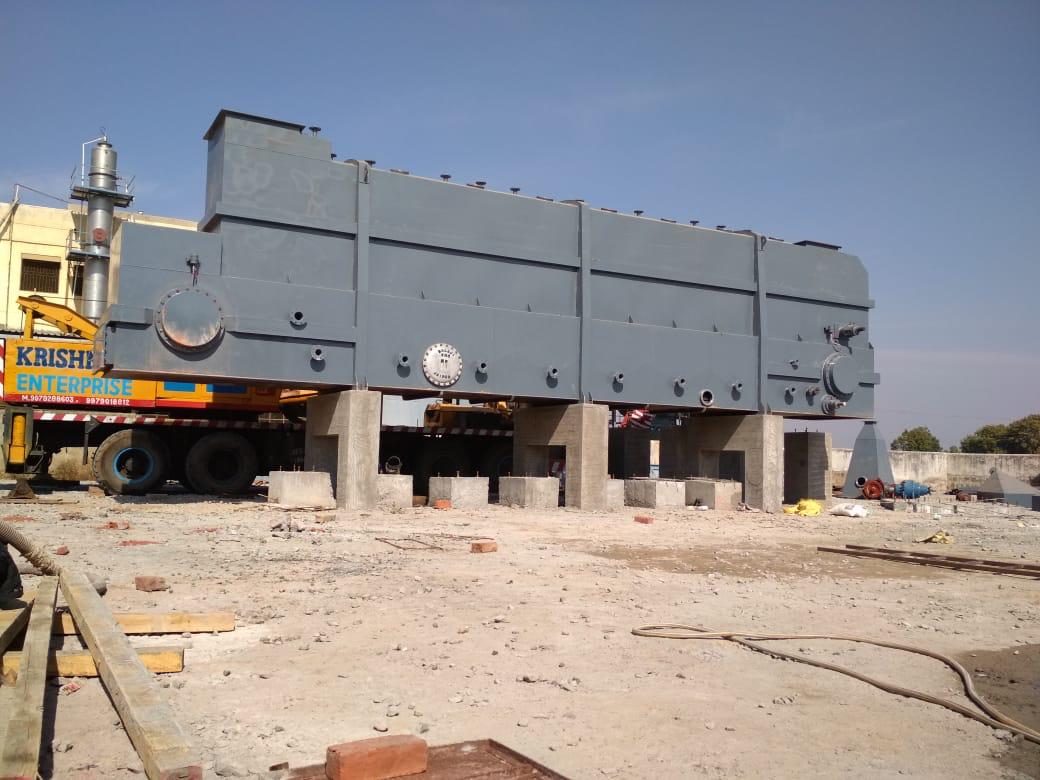
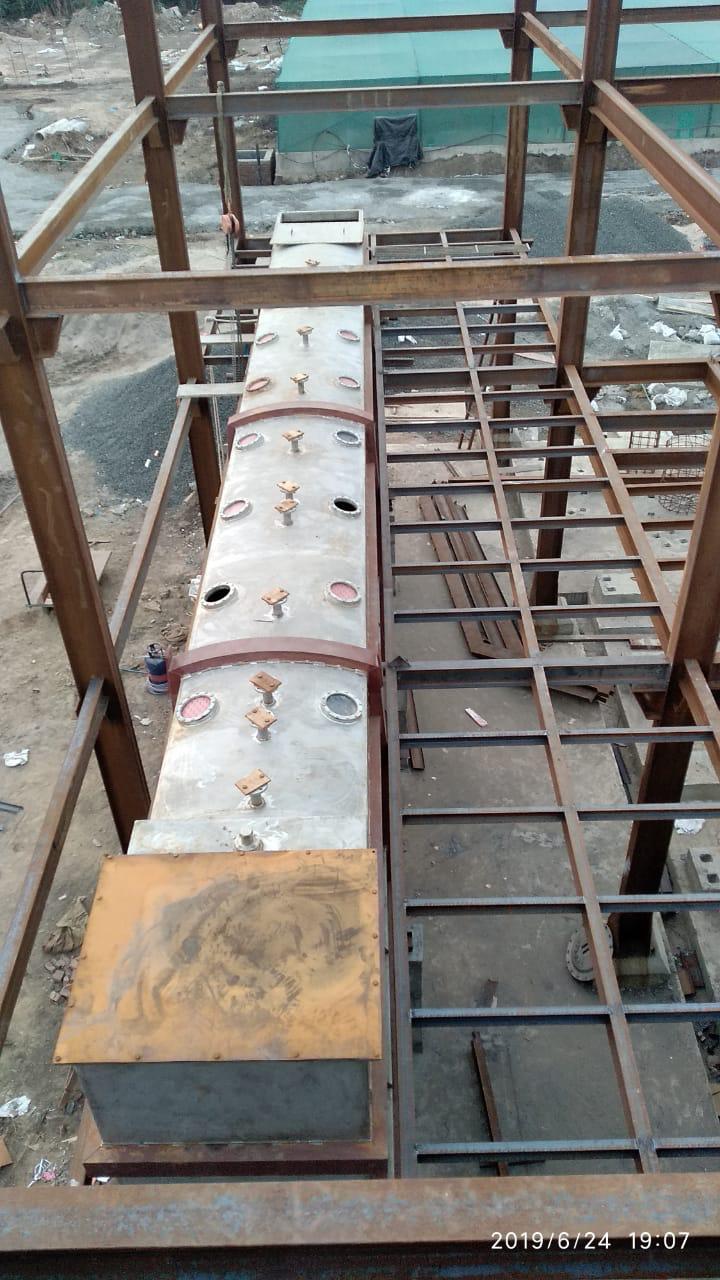
The prepared flakes are fed into the extractor—a continuous type solvent extractor where they come into contact with a solvent (usually food-grade hexane). The solvent dissolves the oil present in the material, forming a solution called miscella. The material then passes through several stages within the extractor, where fresh solvent is sprayed in a counter-current flow to ensure maximum oil extraction.
3. Desolventization of Meal
After the extraction is complete, the solid residue—now called de-oiled cake or meal—still contains traces of solvent. This meal is sent to a desolventizer-toaster (DT), where it is subjected to steam and heat to remove the solvent. This step not only recovers the solvent for reuse but also ensures the meal is safe and free from harmful residues. The resulting meal is often used as high-protein animal feed or for further industrial applications.
4. Miscella Distillation
The miscella (oil + solvent mixture) is then pumped to the distillation system, where the solvent is evaporated and condensed for reuse. The distillation is done under vacuum conditions to prevent thermal degradation of the oil. After the solvent is removed, what remains is crude oil, which can be stored or sent for further refining depending on the end-use requirements.
5. Solvent Recovery
One of the most critical aspects of the entire operation is solvent recovery. Our plant uses advanced condensers, economizers, and absorbers to ensure over 95% of the solvent used is recovered and recycled back into the system. This closed-loop design minimizes losses, reduces environmental impact, and ensures safety.
Quality Control and Safety Measures
Quality and safety are integral parts of our operations. We adhere to stringent quality control procedures at every stage of the process. From raw material analysis to final product inspection, every batch is tested for purity, oil content, moisture levels, and potential contaminants. Our laboratory is equipped with modern analytical instruments to ensure the final products meet both national and international standards.
Additionally, safety is a top priority in our plant. Given that we use flammable solvents like hexane, we maintain a strict protocol of safety measures, including explosion-proof electrical systems, gas detection alarms, proper ventilation, and fire suppression systems. Our plant operators are regularly trained on safety procedures, and emergency drills are conducted to ensure preparedness.
Environmental Sustainability
As an environmentally conscious organization, we are committed to sustainable practices in every aspect of our operations. Our solvent extraction plant is designed to minimize waste, reduce emissions, and maximize energy efficiency. We use heat exchangers to recover energy within the system and treat all gaseous emissions and effluents to meet environmental regulations. Our solvent recovery system reduces solvent losses to an absolute minimum, protecting the environment and reducing operational costs.
Applications and Markets Served
The oils extracted in our plant are used in a wide range of applications, from edible oils for human consumption to industrial oils used in lubricants, biofuels, paints, and coatings. The residual meal, rich in protein and fiber, is a valuable input in the animal feed and fertilizer industries. Our diverse product line allows us to serve a broad market, including food processors, biodiesel manufacturers, feed producers, and export markets.
Why Choose Our Solvent Extraction Plant?
- Advanced Technology: We employ state-of-the-art machinery for superior efficiency and precision.
- High Recovery Rates: Our process ensures maximum extraction of oil with minimal losses.
- Environmental Compliance: Fully compliant with pollution control norms and sustainability standards.
- Expert Team: Highly trained professionals and technicians ensure smooth and safe operations.
- Customized Solutions: We offer tailor-made solutions based on the specific needs of our clients.
In conclusion, our Solvent Extraction Plant is a symbol of engineering excellence, environmental responsibility, and operational efficiency. With a clear focus on innovation, safety, and customer satisfaction, we continue to lead the industry in delivering high-quality oils and related products that serve a multitude of sectors around the world.


